
Home » Diabetes
Diabetes
Diabetes is a chronic disease characterized by either insufficient insulin production by the pancreas or the body’s ineffective use of the insulin it produces. This condition leads to elevated blood sugar levels, or hyperglycemia, which can cause severe damage to various body systems over time, particularly nerves and blood vessels.
Types of Diabetes
Type-2 Diabetes
- Cause: Results from the body’s ineffective use of insulin and is often associated with excess body weight and physical inactivity.
- Prevalence: The majority of people with diabetes have Type-2 diabetes. It often develops gradually and may be diagnosed years after onset, sometimes after complications have already occurred.
- Increasing Incidence in Children: Previously common only in adults, Type-2 diabetes is now increasingly seen in children due to rising obesity rates and sedentary lifestyles.
Type-1 Diabetes
- Cause: An autoimmune disorder that results in deficient insulin production. It requires daily insulin administration.
- Characteristics: Unlike Type-2 diabetes, Type-1 diabetes typically manifests earlier in life and is not related to lifestyle factors.
Health Implications
Over time, diabetes can damage critical organs and systems, including:
- Heart and Blood Vessels: Increased risk of cardiovascular disease.
- Eyes: Potential for diabetic retinopathy and vision loss.
- Kidneys: Risk of diabetic nephropathy and kidney failure.
- Nerves: Possibility of diabetic neuropathy, leading to pain and loss of sensation.
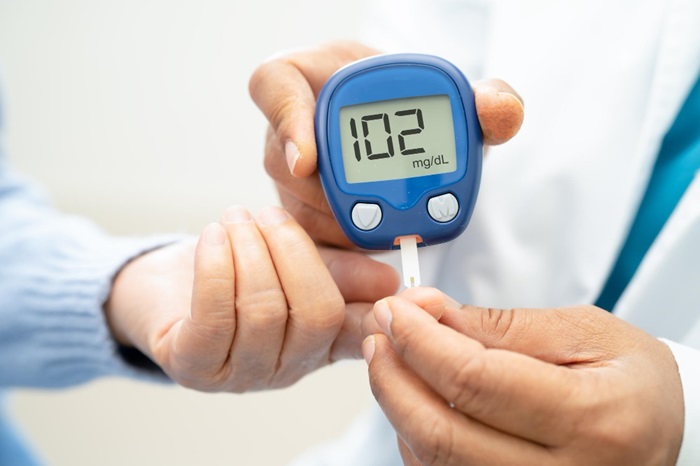

Symptoms of Diabetes
Over time, diabetes can damage critical organs and systems, including:
- Excessive urination (Polyuria)
- Increased thirst (Polydipsia)
- Persistent hunger
- Unexplained weight loss
- Vision changes
- Fatigue
Prevention and Management
Type-2 Diabetes Prevention:
Simple lifestyle measures can be effective in preventing or delaying the onset of Type-2 diabetes:
- Healthy Eating: Focus on a balanced diet rich in fruits, vegetables, whole grains, and lean proteins.
- Regular Physical Activity: Engage in at least 150 minutes of moderate exercise per week.
- Avoid Tobacco Use: Smoking cessation can improve overall health and reduce diabetes risk.

ReLiv Wellness Studio Hypercare Model
1
Personalized Wellness Plans
Develop individualized wellness strategies to manage diabetes and prevent complications, incorporating dietary, exercise, and lifestyle recommendations.
2
Integrated Approach
Combine medical guidance, nutrition counseling, and physical activity to effectively manage diabetes and support overall health.
3
Expert Support
Access to a team of healthcare professionals who provide tailored advice, monitor progress, and support diabetes management and prevention.
Elevate Your Health and Well-being
At ReLiv Wellbeing Studio, our Fitness & Well-being services are designed to empower you to take charge of your health and achieve your wellness goals. Whether you seek to improve fitness, manage stress, or enhance recovery, our comprehensive services offer the support and expertise you need to thrive. Discover the transformative benefits of personalized care with ReLiv.